Software-Driven Resource Allocation Methods That Balance Processing Loads Between Portable and Stationary Devices During Extended Multiplayer Sessions
Written by Iris Berger · Nov 10, 2026
Software-Driven Resource Allocation Methods That Balance Processing Loads Between Portable and Stationary Devices During Extended Multiplayer Sessions
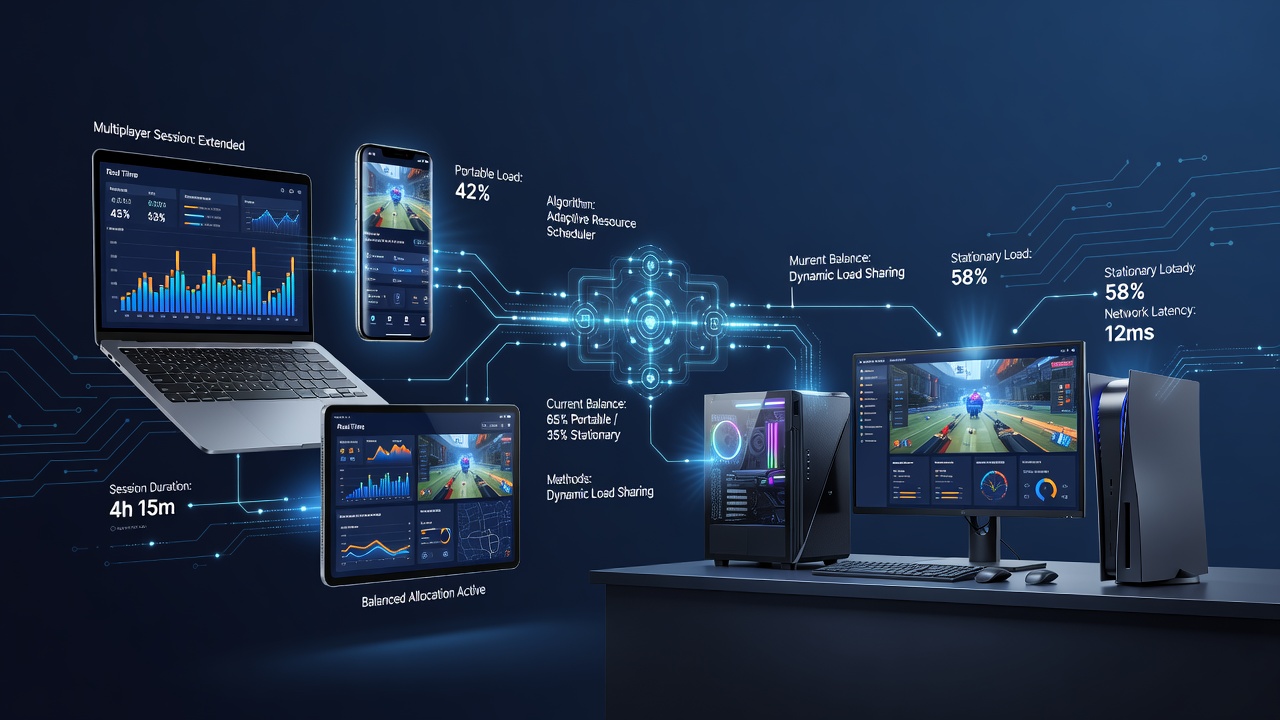
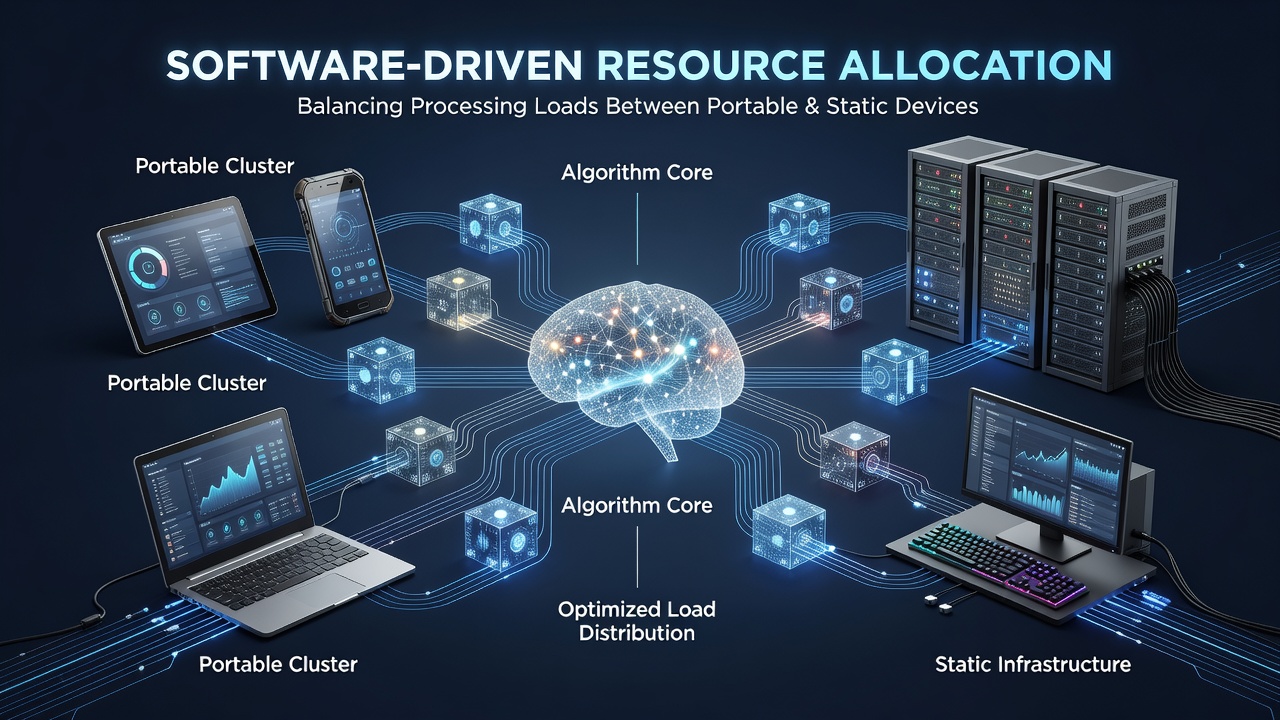
Software-driven resource allocation methods coordinate computational tasks across portable devices such as handheld consoles and smartphones alongside stationary systems like desktop PCs and gaming consoles. These approaches rely on real-time monitoring of CPU, GPU, memory, and network metrics to shift workloads dynamically, which maintains consistent frame rates and reduces device strain during hours-long multiplayer engagements. Developers implement predictive algorithms that analyze player movement patterns, game state complexity, and device thermal profiles before reallocating rendering or physics calculations. In practice this means a portable device might handle input processing and lightweight AI while offloading particle effects or world simulation to a connected stationary rig through local network protocols.Core Mechanisms in Load Distribution
Resource schedulers use containerized task migration frameworks that encapsulate game subsystems for transfer without interrupting ongoing sessions. These frameworks monitor bandwidth availability and latency thresholds continuously, then decide when to move specific modules such as pathfinding routines or texture streaming pipelines.
Studies from institutions including the University of Waterloo show that such schedulers can reduce peak power draw on portables by up to 35 percent when stationary hardware absorbs intensive calculations. The same data indicates lower dropout rates in sessions exceeding three hours because heat buildup stays within safe operating ranges.
Application in Cross-Device Multiplayer Environments
During extended sessions players frequently switch between devices or connect multiple units together. Allocation engines detect when a portable unit approaches thermal limits and trigger partial handoff of non-critical processes to a stationary counterpart while preserving synchronized game state through timestamped delta updates.
Engineers at major middleware providers have integrated these engines into titles supporting hybrid lobbies, where mobile participants interact with console users. The system maintains parity by scaling visual fidelity on the fly rather than enforcing uniform settings across all hardware.
Recent Developments Through Late 2026
By November 2026 several middleware updates introduced machine learning models trained on aggregated session telemetry from millions of matches. These models anticipate load spikes during peak activity periods such as boss encounters or large-scale battles, then pre-stage resources on the most capable device in the local cluster.
Reports compiled by the Australian Communications and Media Authority note increased adoption of these allocation layers in cross-platform esports qualifiers, where participants use mixed hardware setups. The figures reveal measurable reductions in session interruptions attributed to hardware throttling.
Integration With Existing Networking Standards
Allocation software layers sit above standard transport protocols and leverage features such as prioritized packet tagging to ensure critical state updates travel first. When stationary devices join a session they register available capacity via a lightweight discovery handshake, after which the central coordinator redistributes tasks within milliseconds.
One notable implementation appears in libraries that support seamless device addition mid-match, allowing late-joining players on desktops to absorb overflow workloads from teammates using portables without requiring a full lobby reset.
Conclusion
Software-driven resource allocation continues to evolve through iterative refinements in monitoring precision and migration speed. Data collected across multiple hardware generations demonstrates that balanced distribution supports longer continuous play periods while preserving device longevity. Ongoing research focuses on further reducing decision latency in the allocation engine itself, which promises even tighter synchronization across increasingly diverse device ecosystems.