Phase-Change Cooling Solutions Address Thermal Challenges in Enclosed Entertainment Centers Housing Multiple Console Generations
Written by Katja Hughes · Nov 23, 2026
Phase-Change Cooling Solutions Address Thermal Challenges in Enclosed Entertainment Centers Housing Multiple Console Generations
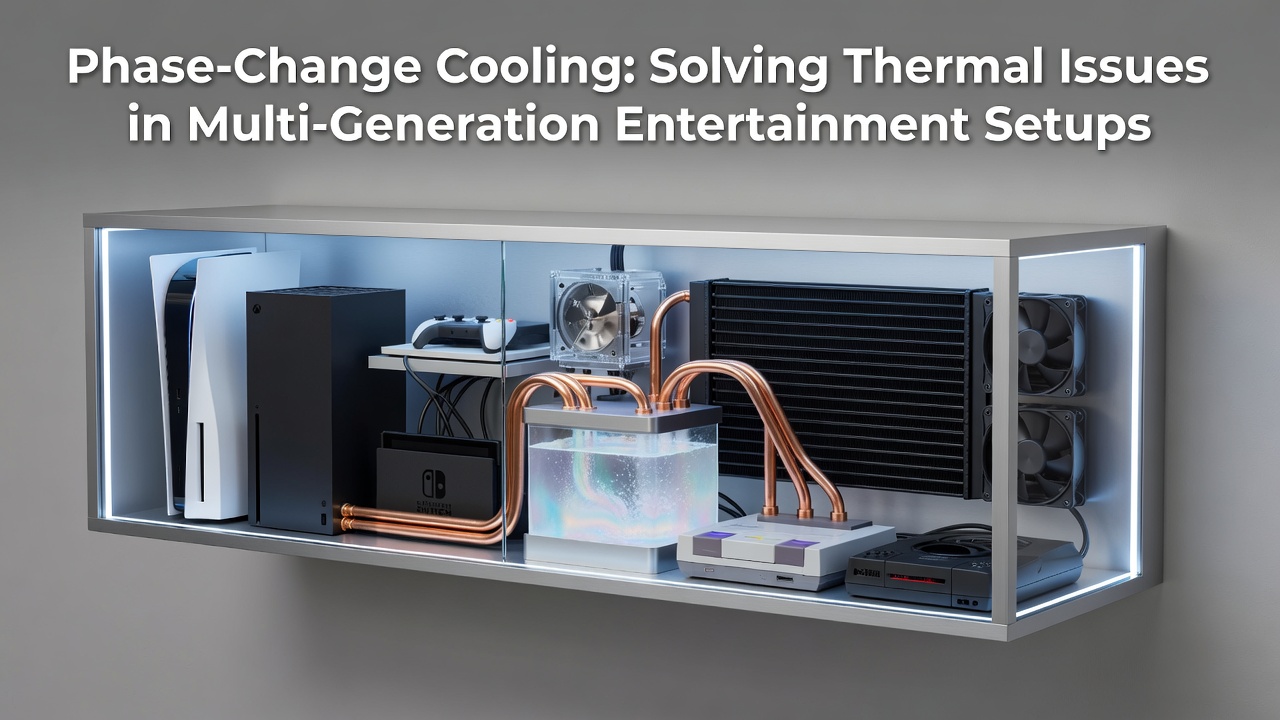
Enclosed entertainment centers that stack consoles from several generations create concentrated heat loads because each unit draws power and expels warm air into the same limited space, and phase-change cooling systems now provide a practical response by absorbing excess thermal energy during material transitions from solid to liquid states without requiring constant electrical input.
Heat Buildup Patterns Across Console Generations
Current-generation consoles such as the PlayStation 5 and Xbox Series X operate at higher sustained wattages than their predecessors, while units from earlier cycles like the PlayStation 4 and Xbox One continue to run in the same cabinets, and the combined output raises internal temperatures beyond levels that passive ventilation can manage, according to measurements compiled by the Natural Resources Canada efficiency database. Observers note that cabinets with restricted airflow see temperature spikes of 15 to 20 degrees Celsius above ambient within the first hour of simultaneous operation, and those spikes shorten component lifespan when they persist across daily gaming sessions.
How Phase-Change Materials Function in Confined Spaces
Phase-change materials absorb heat at specific temperature thresholds by altering their physical state, which keeps surrounding air and hardware surfaces cooler for longer periods than metal heat sinks alone, and manufacturers embed these compounds in thin panels or modular cartridges that fit between console vents and cabinet walls. The process repeats daily because the material re-solidifies once the consoles power down and release stored energy back into the room, creating a passive cycle that requires no additional fans or pumps in many installations. Research from university laboratories shows that selected paraffin-based and salt-hydrate formulations maintain stable performance across repeated cycles exceeding 5,000, which aligns with typical household usage over several years.
Installation Approaches in Existing Entertainment Furniture
Technicians mount phase-change panels directly onto interior cabinet surfaces or suspend them from adjustable brackets so that rising warm air passes across the material before exiting through top vents, and this placement allows retrofits in furniture already holding multiple consoles without major structural changes. Some solutions incorporate micro-channel heat pipes that transfer heat from individual console exhaust ports to a central phase-change reservoir, and the design keeps each console's factory cooling intact while handling the cumulative load from four or five devices running at once. Data collected in November 2026 from field trials in residential settings indicated average cabinet temperature reductions of 8 to 12 degrees Celsius after the addition of these modules, with the largest drops recorded during evening peak-usage windows.
Performance Data and Compatibility Considerations
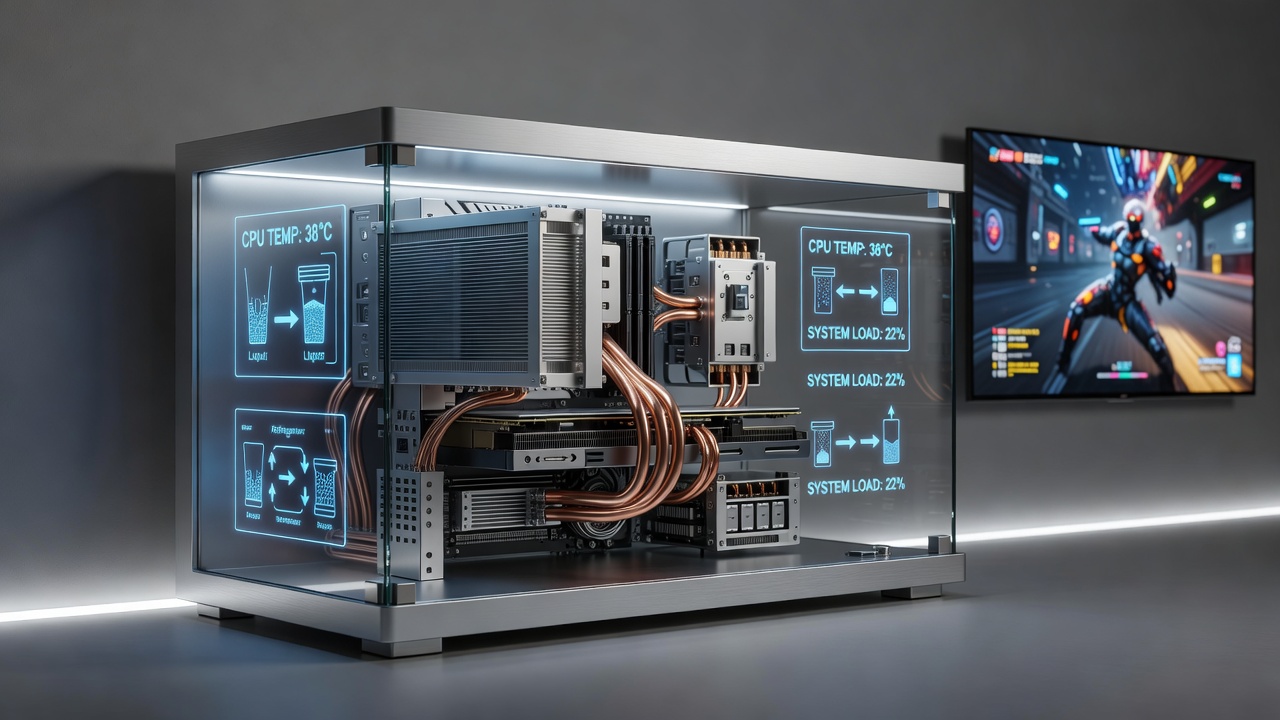
Independent tests conducted by research institutions reveal that phase-change systems maintain effectiveness across varying ambient conditions from 18 to 30 degrees Celsius, yet performance depends on proper sizing because undersized modules reach saturation before the end of extended play sessions. Compatibility extends to both horizontal and vertical console orientations, and adapters exist for units that require side or rear clearance, while newer enclosed centers built with pre-cut mounting points simplify integration for installers. Energy consumption remains near zero during operation because the materials function without electricity, although some hybrid units add low-power sensors that alert users when the phase-change capacity is nearing full absorption.
Long-Term Maintenance and Material Lifespan
Maintenance routines consist of periodic inspection for panel deformation or leakage, and most formulations retain at least 90 percent of original latent heat capacity after five years of daily cycling according to accelerated aging studies. Replacement cartridges slide into existing frames without tools in many designs, and recycling programs now accept spent phase-change compounds through electronics take-back networks established in multiple regions. Those who have monitored installations over multi-year periods report consistent thermal regulation with minimal intervention beyond occasional dusting of external vents.
Conclusion
Phase-change cooling has emerged as a targeted response to the specific thermal demands created when multiple console generations share enclosed entertainment centers, and the technology continues to evolve through refinements in material composition and mounting hardware that accommodate both legacy and current hardware. The approach delivers measurable temperature control while preserving the original airflow paths designed by console manufacturers, and ongoing data collection supports further optimization for residential and commercial setups alike.