Nanotech Sensor Arrays Track Posture Shifts in Gaming Chairs for Esports Qualifier Adjustments
Written by Iris Berger · Nov 9, 2026
Nanotech Sensor Arrays Track Posture Shifts in Gaming Chairs for Esports Qualifier Adjustments
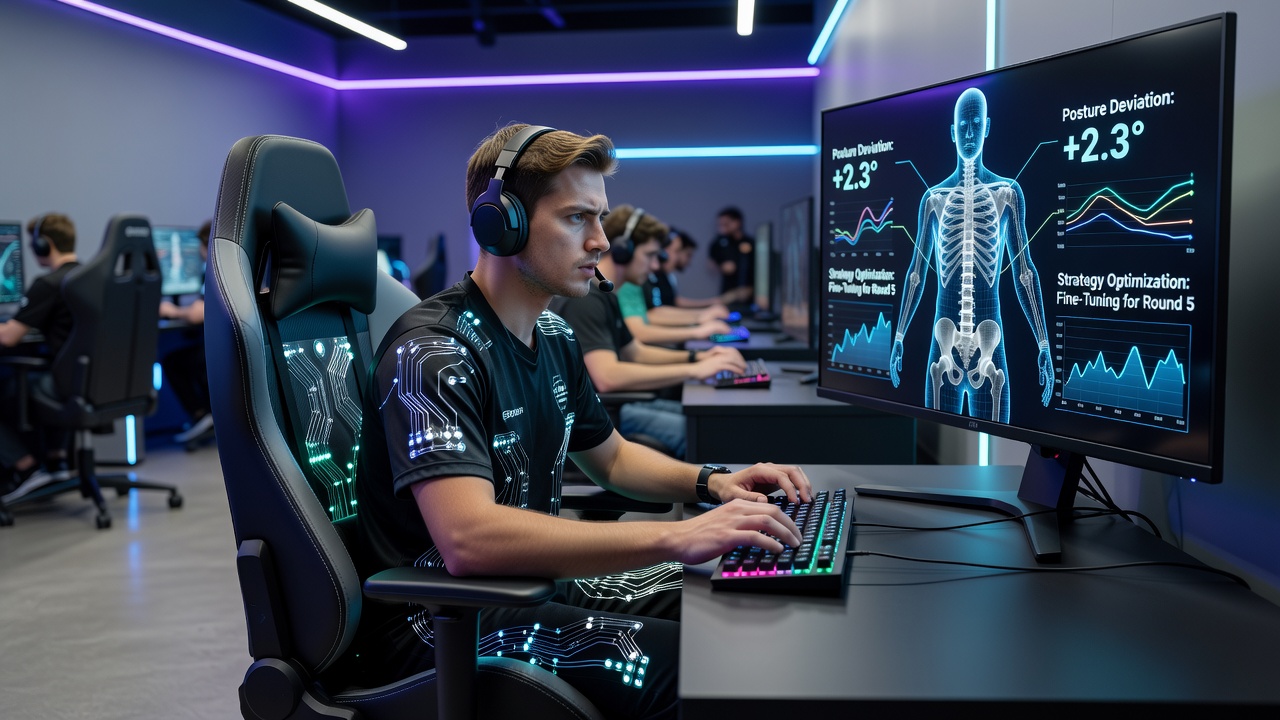
Competitive esports qualifiers often stretch across multiple days with continuous play sessions that last eight hours or more, and teams now integrate nanotech sensor arrays directly into gaming chairs to capture posture data in real time. These arrays consist of nanoscale pressure transducers woven into the seat cushion and lumbar support, which register shifts in weight distribution, spinal alignment, and micro-movements while players maintain focus on screens. Data streams feed into onboard microprocessors that correlate specific posture patterns with performance metrics collected from game telemetry such as reaction times, decision accuracy, and error rates during matches.
How the Sensor Technology Operates
Engineers design the arrays with carbon nanotube filaments that flex under load and convert mechanical stress into electrical signals, which processors then analyze through pattern-recognition models trained on thousands of prior sessions. When a player leans forward during high-stakes moments or slouches after prolonged concentration lapses, the system logs these changes alongside timestamps and in-game events, creating synchronized datasets that coaches review between rounds. Researchers at the National Institute of Standards and Technology have documented how such sensors achieve sub-millimeter resolution in pressure mapping, allowing detection of subtle fatigue indicators before they become visible to observers.
Integration with existing chair hardware requires minimal redesign because the arrays operate at low power levels drawn from USB connections already present in most tournament setups. Calibration routines run automatically at the start of each qualifier block, establishing baseline posture profiles for individual competitors so deviations register accurately throughout the day. Teams in the November 2026 North American qualifiers tested these chairs across twelve consecutive days, and records show consistent capture of over 2.4 million data points per participant without interrupting gameplay flow.
Application in Strategy Refinement
Coaching staff use the posture analytics to adjust in-game tactics by identifying when competitors exhibit signs of physical strain that precede drops in mechanical execution. For instance, repeated forward leans combined with increased seat-edge pressure often precede rushed engagements in real-time strategy titles, prompting teams to rotate players or shift to defensive formations during the next map. The arrays also flag asymmetric weight shifts that correlate with handedness fatigue, which data analysts cross-reference with mouse or controller input logs to recommend grip changes or brief stretching protocols during scheduled pauses.
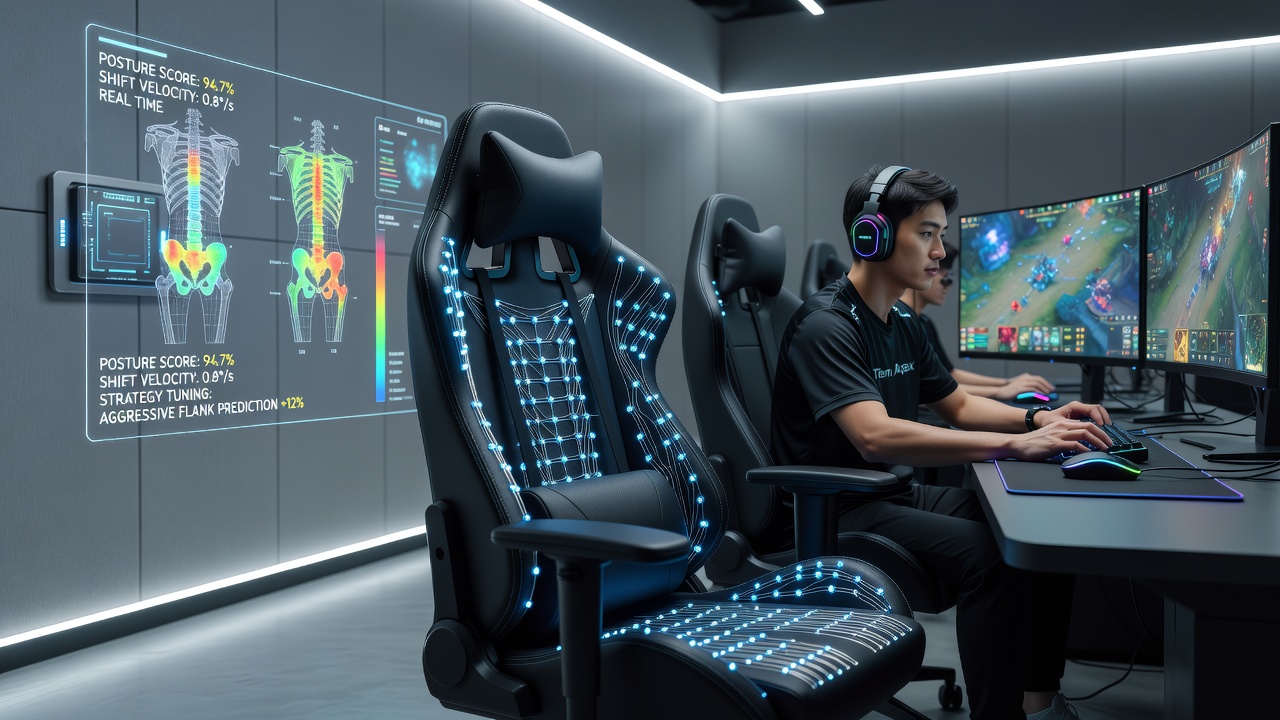
European research published through the EIT Digital initiative examined similar sensor deployments in training environments and reported measurable links between sustained upright posture maintenance and higher win rates in extended best-of-five series. Those findings align with observations from Australian esports leagues where posture tracking helped refine rotation schedules for multi-day qualifiers, reducing instances of late-round performance decline across monitored squads. Systems process the incoming signals through edge computing modules housed in the chair base, delivering summarized reports to coaching tablets within thirty seconds of each detected shift cluster.
Data Processing and Team Integration
Raw sensor output undergoes filtering to remove noise from normal breathing or minor seat adjustments, after which machine-learning models classify segments into categories such as focused engagement, compensatory leaning, or disengagement indicators. Teams combine these classifications with external variables including match duration, opponent playstyle, and venue temperature readings to generate actionable recommendations before the following game. In the November 2026 qualifier circuit, several organizations reported using the posture-derived insights to modify draft priorities mid-series, opting for characters that demand less precise micro-management when sensor data indicated rising fatigue levels in primary players.
Security protocols encrypt all posture streams before transmission to prevent unauthorized access during live events, and storage follows data-retention policies established by regional gaming federations. Hardware durability testing conducted under tournament conditions confirmed that the nanotube arrays withstand repeated compression cycles equivalent to five years of daily use while maintaining calibration accuracy within two percent variance. Manufacturers continue to refine signal-to-noise ratios through iterative firmware updates that incorporate feedback from ongoing qualifier deployments worldwide.
Conclusion
Posture-tracking nanotech in gaming chairs supplies teams with continuous physiological context that complements traditional performance statistics during extended esports qualifiers. The technology records objective movement data that analysts map against game outcomes, supporting tactical adjustments without requiring subjective interpretation from coaches alone. Continued deployment across international circuits demonstrates expanding adoption as sensor resolution and processing speed advance in parallel with evolving competition formats.