Haptic Pattern Algorithms Refining Tactile Cues in Cross-Platform Action Titles During Competitive Play Sessions
Written by Iris Long · Oct 12, 2026
Haptic Pattern Algorithms Refining Tactile Cues in Cross-Platform Action Titles During Competitive Play Sessions
Engineers have developed haptic pattern algorithms that adjust vibration sequences and intensity levels based on in-game events, and these systems now operate across consoles, PCs, and mobile devices in action titles. Data from industry reports shows that such algorithms process inputs from game engines to generate precise tactile outputs, which helps maintain consistency when players switch between hardware during sessions that extend into October 2026.
Core Mechanics of Pattern Refinement
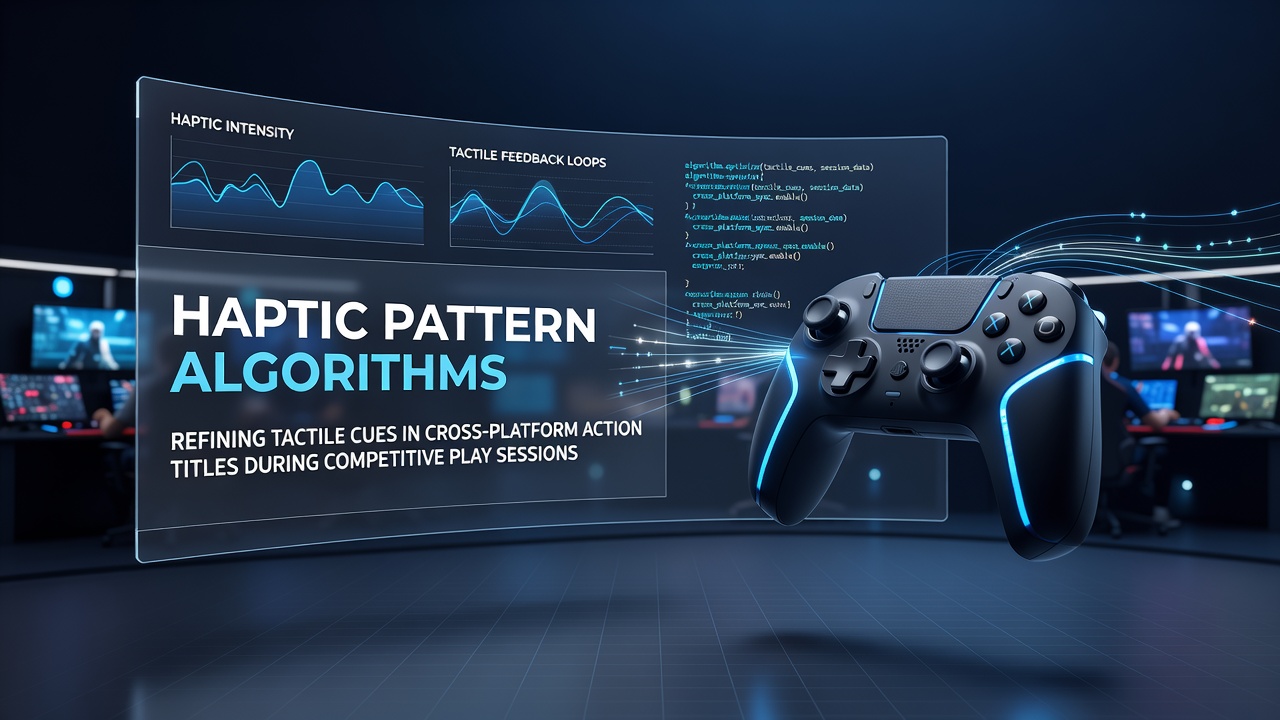
Algorithms analyze variables including player movement speed, weapon recoil, and environmental interactions, then map those elements to specific motor responses in controllers or handheld devices. Researchers at academic institutions have documented how machine learning models refine these mappings in real time, which reduces discrepancies that once occurred when the same title ran on different operating systems. Studies indicate that feedback loops update patterns every few milliseconds, and this speed allows the system to adapt to sudden changes like explosions or footsteps without introducing noticeable delays.
One implementation uses frequency modulation to distinguish between light contact and heavy impacts, while another layer incorporates spatial audio data to direct vibrations toward specific areas of a controller. Observers note that these refinements appear in titles where competitive rankings depend on quick reactions, and the algorithms draw from sensor data collected during live matches to fine-tune future sessions.
Cross-Platform Synchronization Challenges
Action games that support cross-play must account for differences in hardware response times, battery constraints on mobile units, and varying motor strengths in console peripherals. Algorithms address these factors by scaling output amplitude and duration according to device profiles stored in a central database. Figures from gaming technology conferences reveal that synchronization protocols now achieve sub-20-millisecond alignment across platforms, which supports seamless handoffs when players move from a stationary setup to a portable device mid-tournament.
Engineers integrate calibration routines that run automatically at the start of each session, and these routines measure latency before adjusting the pattern library accordingly. Data collected through telemetry shows that titles employing these methods experience fewer complaints about inconsistent feedback during events that span multiple regions.
Application in Competitive Environments
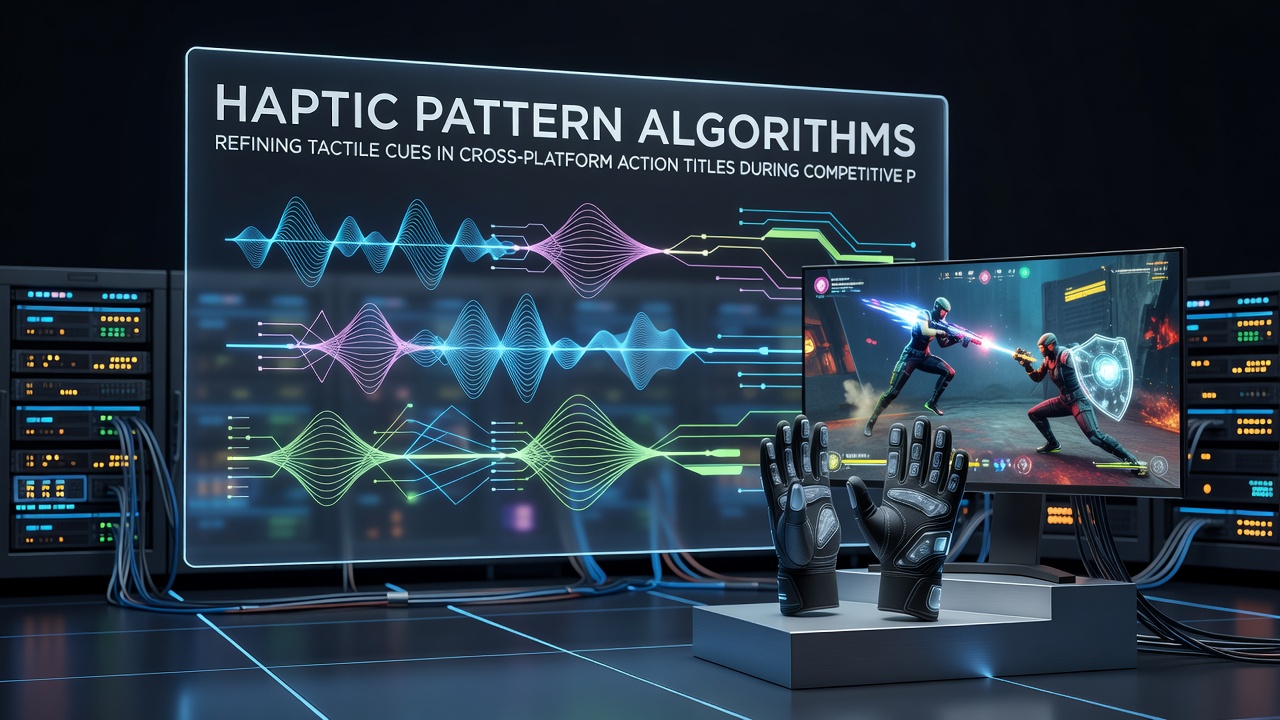
During tournaments, organizers require standardized tactile cues so that no participant gains an unintended advantage from superior hardware feedback. Algorithms enforce this standardization by referencing a shared rule set that defines acceptable vibration thresholds for each game mechanic. Reports from esports governing bodies indicate that adoption of these systems has increased since 2024, with multiple leagues incorporating them into their equipment verification processes by October 2026.
Players receive distinct cues for actions such as reloading, taking damage, or detecting nearby opponents, and the algorithms prioritize clarity over intensity to prevent fatigue during extended matches. Case examples from professional circuits demonstrate that refined patterns allow competitors to maintain focus without relying solely on visual or auditory signals, particularly in high-stakes rounds where split-second decisions determine outcomes.
Integration with Existing Game Engines
Developers embed haptic libraries directly into popular engines, which permits real-time parameter adjustments without requiring separate patches for each platform. The process involves tagging game assets with metadata that the algorithm interprets to produce matching tactile responses. Research published through technical associations shows that this integration reduces development time while preserving the ability to update patterns based on community feedback collected after major releases.
Updates rolled out in late 2026 have introduced support for newer controller models that feature additional actuators, and these enhancements expand the range of distinguishable patterns available during play. Teams responsible for live operations monitor server logs to identify patterns that require further calibration, which ensures continued performance across mixed-device lobbies.
Conclusion
Haptic pattern algorithms continue to evolve through iterative testing and data analysis drawn from competitive environments. Their role in delivering consistent tactile information across platforms supports fair play and enhances situational awareness in action titles. Ongoing refinements scheduled through the remainder of 2026 focus on expanding device compatibility and tightening response windows, which aligns with broader efforts to standardize input experiences in esports settings.